
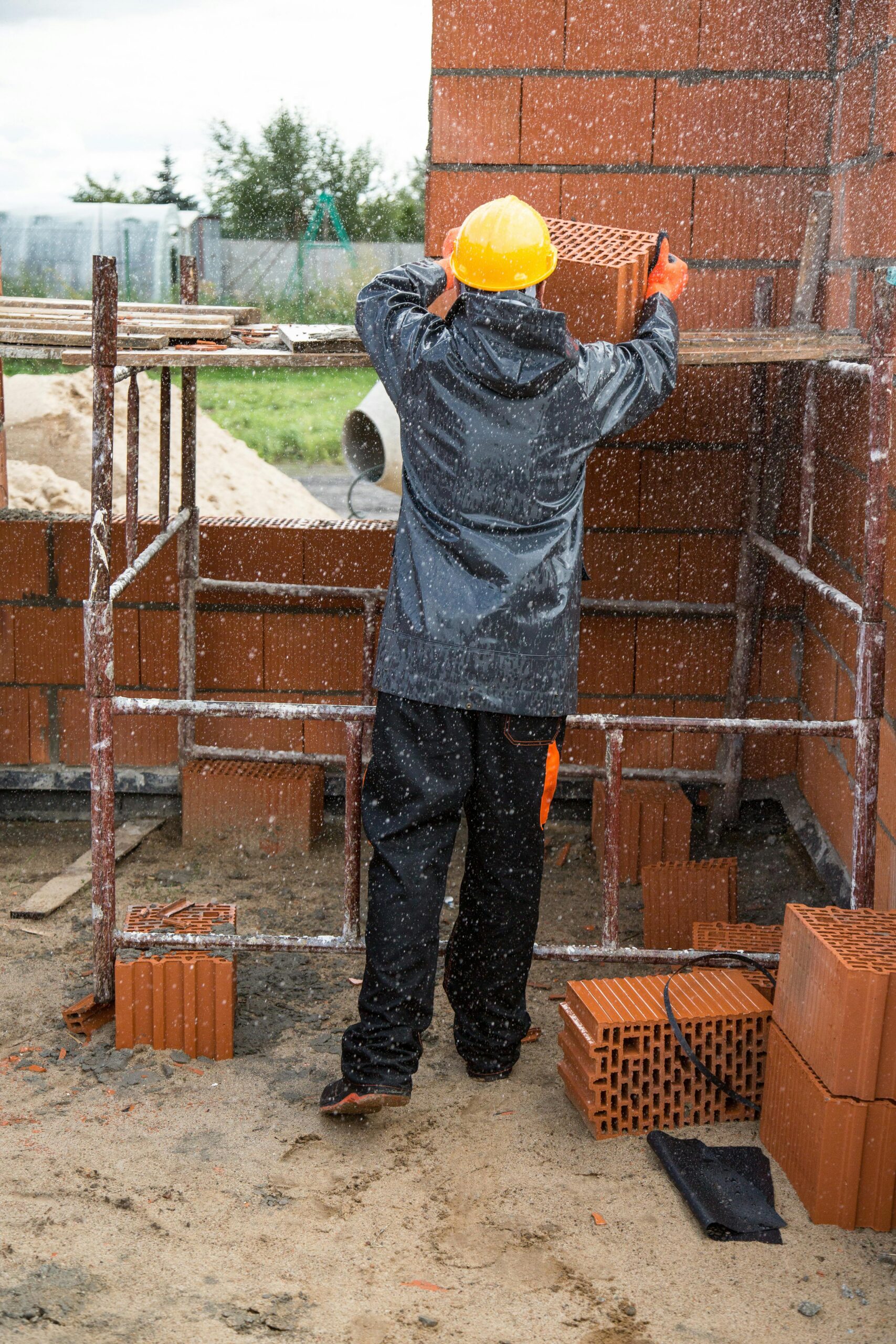

The construction industry is constantly evolving, driven by advancements in technology, changes in regulations, and shifting consumer demands. Staying up to date with the latest trends is essential for companies and professionals looking to remain competitive and efficient. In this article, we’ll explore some of the key trends shaping the construction industry today.
Adoption of Smart Technologies
Technology has revolutionized the way the construction industry operates. From smart equipment to AI-driven project management tools, the industry is embracing digital transformation. One of the most prominent technologies being adopted is Building Information Modeling (BIM), which allows for digital visualization of a project before construction begins. This can reduce errors, improve communication, and streamline workflows.
Additionally, the rise of the Internet of Things (IoT) in construction allows for real-time tracking of materials, equipment, and workers, improving efficiency and safety on job sites. The integration of smart technologies helps contractors and project managers make data-driven decisions, leading to cost savings and enhanced productivity.
Sustainability and Green Building Practices
Sustainability is becoming a top priority in construction. With increasing awareness about climate change, many construction companies are focusing on green building practices that minimize environmental impact. This includes using sustainable materials, reducing waste, and adopting energy-efficient designs.
The use of renewable energy sources, like solar panels and wind turbines, is also gaining popularity in construction projects. Additionally, energy-efficient building techniques such as passive heating and cooling, high-performance insulation, and smart lighting systems are helping to create buildings that consume less energy and contribute to sustainability goals.
Modular and Prefabricated Construction
Modular and prefabricated construction is transforming the way buildings are constructed. Instead of constructing buildings entirely on-site, components are manufactured in a factory and then assembled on location. This method can significantly reduce construction time, lower costs, and improve safety.
With prefabrication, quality control is more easily managed since components are made in controlled environments. This results in fewer defects, faster construction timelines, and reduced waste. Additionally, modular construction allows for flexibility, enabling buildings to be customized and reconfigured as needed, making it ideal for fast-changing markets.
Workforce Challenges and Labor Shortages
One of the major challenges facing the construction industry is the ongoing labor shortage. Skilled workers, including electricians, plumbers, and carpenters, are in high demand, and the industry is struggling to attract new talent. As a result, companies are turning to automation and technology to fill the gap.
Robots, drones, and autonomous vehicles are being used to complete tasks such as bricklaying, surveying, and even delivering materials to construction sites. By automating repetitive and physically demanding tasks, construction companies can improve efficiency and reduce reliance on manual labor.
Safety Improvements with Technology
Construction sites are known for their high-risk nature, but advances in safety technology are helping to reduce accidents and injuries. Wearable devices, such as smart helmets and safety vests, can monitor workers’ health in real-time, detecting signs of fatigue or hazardous conditions.
In addition, drones and AI-powered cameras are being used to monitor construction sites and ensure compliance with safety standards. By providing real-time data and remote oversight, these technologies help prevent accidents and improve overall safety on job sites.
Conclusion
The construction industry is undergoing significant transformation, driven by technology, sustainability, and a need for greater efficiency. By adopting smart technologies, embracing sustainability, utilizing modular construction methods, addressing labor shortages with automation, and improving safety with new innovations, the industry is poised for continued growth and development. Staying ahead of these trends is essential for professionals and businesses looking to remain competitive in the rapidly evolving construction landscape.