
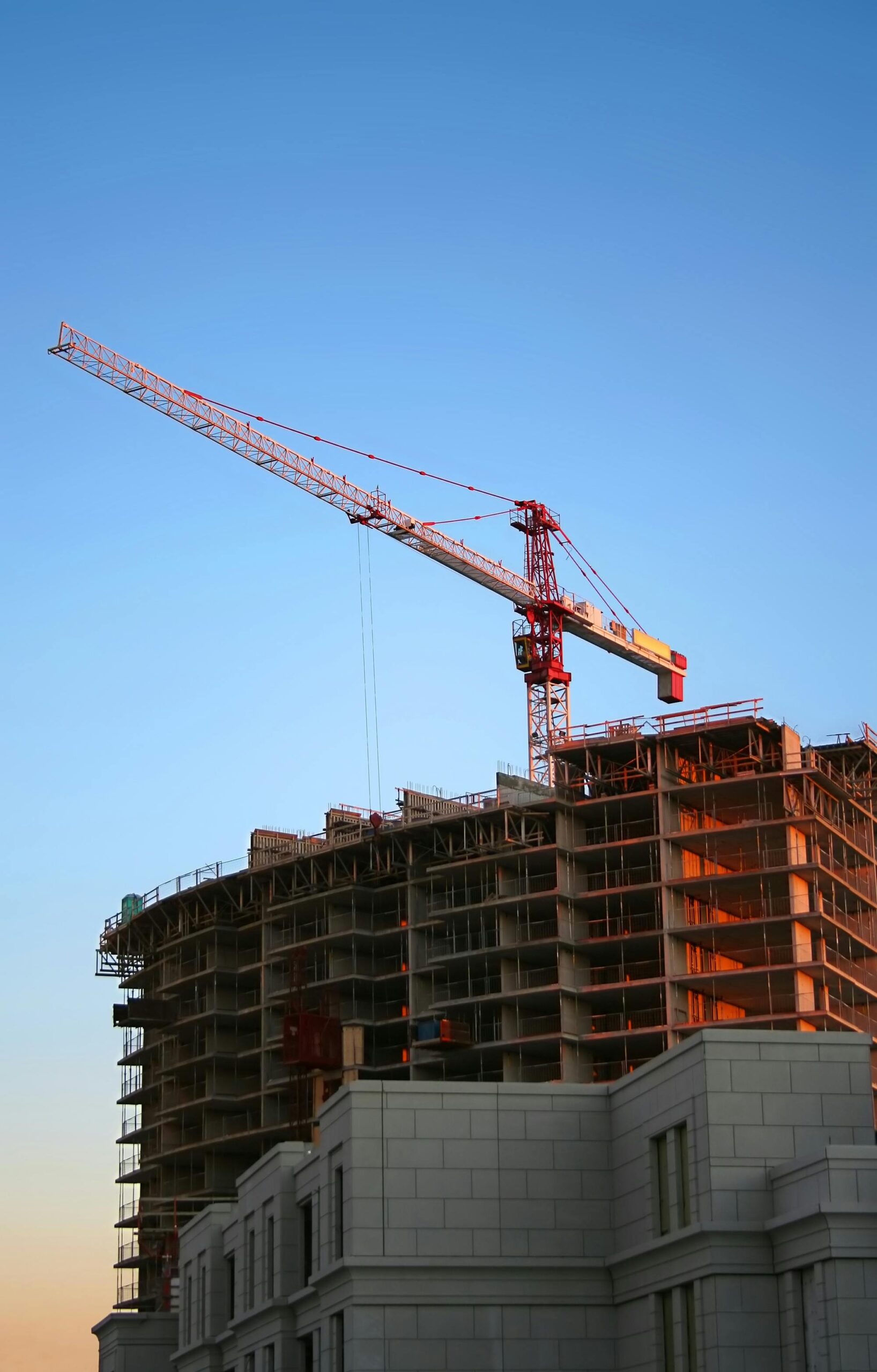

The construction industry is traditionally known for its reliance on manual labor and conventional building techniques. However, in recent years, technology has begun to play a crucial role in transforming the sector. From advanced machinery to innovative software, technology is improving the efficiency, safety, and sustainability of construction projects. In this article, we’ll explore the various ways technology is revolutionizing the construction industry.
The Role of Building Information Modeling (BIM)
Building Information Modeling (BIM) is a game-changer in construction. It is a digital representation of the physical and functional characteristics of a building or infrastructure. BIM enables architects, engineers, and contractors to collaborate on a single, shared platform, allowing them to visualize the project in 3D before construction begins. This reduces errors, prevents costly delays, and improves decision-making.
With BIM, teams can identify potential design or construction issues early on, making it easier to manage the project from start to finish. It also helps optimize building performance, reduces waste, and ensures that the final structure meets the required standards.
Drones and Aerial Surveying
Drones are increasingly being used for aerial surveying, site inspections, and monitoring construction progress. These unmanned aerial vehicles (UAVs) are equipped with high-resolution cameras and GPS technology to capture real-time data and provide a bird’s-eye view of the construction site. Drones can quickly cover large areas and gather information that would otherwise be time-consuming or dangerous to collect.
This technology is particularly beneficial for mapping out construction sites, assessing topography, and monitoring progress over time. It allows construction managers to track project milestones, ensure that everything is on schedule, and make data-driven decisions to keep projects within budget.
3D Printing in Construction
3D printing, also known as additive manufacturing, is becoming an increasingly popular method in construction. This technology allows construction companies to print building components, such as walls, ceilings, and even entire homes, directly from digital models. The benefits of 3D printing include faster construction times, reduced material waste, and the ability to create highly customized structures.
In addition, 3D printing can be used for producing complex designs that may be difficult or expensive to create using traditional methods. It has the potential to revolutionize the construction of affordable housing, as it can drastically lower labor and material costs.
Wearable Technology for Worker Safety
The construction industry is notorious for its high rates of accidents and injuries. To address this, wearable technology is being introduced to monitor workers’ health and safety on construction sites. Smart helmets, safety vests, and sensors can track workers’ vital signs, such as heart rate and body temperature, and send alerts if there are any signs of distress.
Additionally, these wearable devices can detect potential hazards, such as toxic gases or excessive noise, and alert workers to take preventive measures. This improves overall safety on construction sites, reduces the risk of accidents, and ensures that workers are always protected.
Automation and Robotics in Construction
Automation and robotics are gaining traction in the construction industry as well. Robots are being used for tasks such as bricklaying, welding, and painting, which traditionally require manual labor. Automated machines are more precise and can complete tasks faster than humans, resulting in increased productivity and reduced errors.
In addition, autonomous vehicles, such as construction trucks and cranes, are being used to transport materials, reducing the need for human labor and increasing safety by limiting exposure to potentially dangerous environments.
Sustainability Through Green Technology
Sustainability is another area where technology is making a significant impact. Construction companies are adopting green technologies to reduce their environmental footprint. Solar panels, wind turbines, and other renewable energy sources are being integrated into building designs, making structures more energy-efficient and reducing their dependence on non-renewable resources.
Moreover, the use of eco-friendly materials, such as recycled steel, low-carbon concrete, and sustainable wood, is helping to minimize waste and reduce the carbon footprint of construction projects. Green building certifications, such as LEED (Leadership in Energy and Environmental Design), are becoming increasingly popular, as they promote sustainable practices within the industry.
Conclusion
Technology is transforming the construction industry in profound ways, improving efficiency, safety, and sustainability. From the use of Building Information Modeling (BIM) and drones to the introduction of wearable devices and 3D printing, the industry is embracing innovations that are reshaping the way projects are designed and executed. By leveraging these technological advancements, construction companies can increase productivity, reduce costs, and create structures that are both more sustainable and safer for workers.