
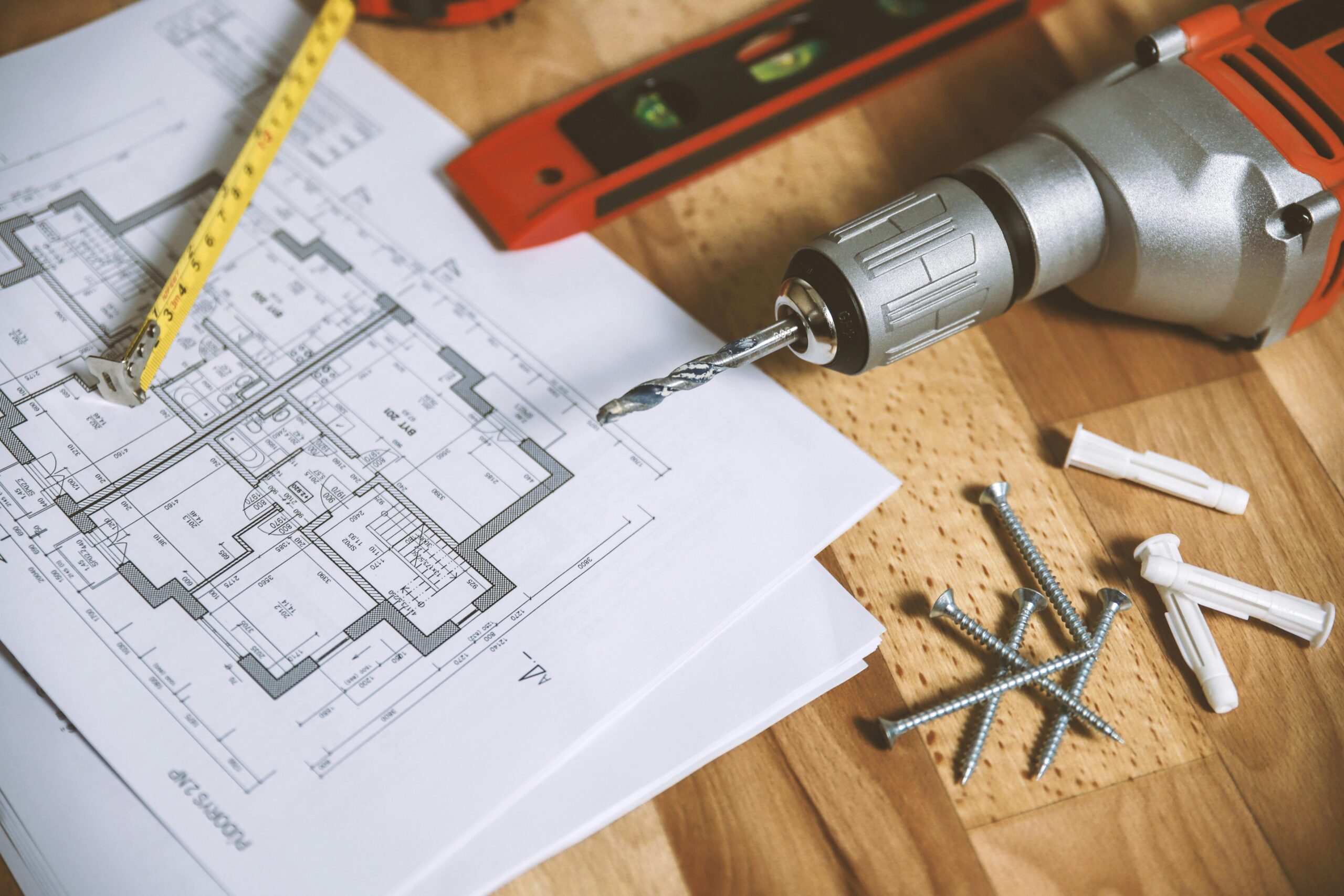

As the world increasingly focuses on sustainability, the construction industry is stepping up to meet the growing demand for environmentally conscious practices. Construction projects, from residential buildings to large-scale infrastructure, have traditionally been significant contributors to environmental degradation, due to factors like energy consumption, material waste, and emissions. However, the industry is undergoing a transformation, driven by new technologies, regulations, and the need for eco-friendly solutions. In this article, we’ll explore how sustainability is shaping the future of construction and how these changes benefit both the environment and the industry.
Green Building Materials
One of the key drivers of sustainability in construction is the shift towards greener building materials. Traditional construction materials, such as concrete and steel, have a high carbon footprint. In response to this, architects and builders are turning to alternative, more sustainable materials. For instance, bamboo, hempcrete, and recycled steel are becoming increasingly popular for their eco-friendly properties.
Additionally, there is a growing use of low-carbon concrete, which reduces the amount of CO2 emitted during its production. These materials not only help to minimize the environmental impact of construction but also offer better insulation properties, which contribute to energy efficiency in the long term.
Energy-Efficient Building Design
Energy efficiency is a cornerstone of sustainable construction. Energy-efficient buildings are designed to minimize energy use and reduce their carbon footprint over time. This includes optimizing the building’s orientation to maximize natural light, using high-performance insulation, and incorporating energy-efficient windows and doors.
One of the most significant trends in energy-efficient building design is the integration of renewable energy systems, such as solar panels and wind turbines. These systems can generate clean energy, helping buildings reduce their reliance on fossil fuels and lower utility costs. Furthermore, many cities and countries are adopting regulations that require new buildings to meet certain energy performance standards, pushing the industry toward greener solutions.
Circular Construction and Waste Reduction
Waste reduction is a critical aspect of sustainable construction. In traditional construction methods, a significant amount of material is often discarded as waste. However, with the rise of circular construction principles, the focus is shifting toward reusing materials and reducing waste.
Circular construction involves designing buildings and infrastructure in a way that materials can be reused or recycled at the end of their lifecycle. This reduces the demand for new raw materials and minimizes the environmental impact of construction waste. Companies are also finding innovative ways to repurpose existing structures, such as converting old warehouses into modern offices or apartments.
Green Certifications and Standards
To ensure that construction projects meet sustainability standards, various green certifications and regulations are being introduced globally. One of the most widely recognized green building certifications is LEED (Leadership in Energy and Environmental Design). LEED-certified buildings must meet specific criteria related to energy efficiency, water conservation, sustainable materials, and indoor environmental quality.
Another popular certification is BREEAM (Building Research Establishment Environmental Assessment Method), which focuses on sustainability throughout the building’s lifecycle, from design to operation. These certifications not only help to reduce the environmental impact of construction but also offer long-term benefits, such as lower operating costs and higher property values.
Smart Cities and Sustainable Urban Development
As cities around the world grow, the need for sustainable urban development has never been more critical. The concept of smart cities is gaining traction, as urban planners and developers look for ways to integrate sustainable practices into the infrastructure of cities. Smart cities use advanced technologies, such as sensors, data analytics, and IoT (Internet of Things) devices, to optimize energy use, reduce waste, and improve overall quality of life for residents.
Sustainable urban development focuses on creating cities that are not only eco-friendly but also livable and resilient. This includes the integration of green spaces, energy-efficient public transport systems, and sustainable waste management solutions. The goal is to create cities that can accommodate growing populations without compromising the environment or the well-being of their inhabitants.
The Role of Technology in Sustainable Construction
Technology plays a critical role in promoting sustainability in construction. Building Information Modeling (BIM) is an essential tool that helps architects and builders design energy-efficient and sustainable buildings. BIM allows for precise modeling of a building’s structure, energy usage, and environmental impact, ensuring that sustainable design practices are integrated from the beginning.
Other technological advancements, such as drones for surveying and 3D printing, are also contributing to sustainability. Drones can capture accurate data and provide real-time updates, helping construction managers minimize waste and improve project efficiency. 3D printing allows for the creation of building components with minimal material waste, and it opens the door for producing eco-friendly structures faster and more affordably.
Conclusion
Sustainability is no longer just a buzzword in the construction industry – it’s becoming a driving force that is reshaping the way buildings are designed, constructed, and operated. From the use of green building materials to energy-efficient designs and the rise of circular construction, the industry is making significant strides toward reducing its environmental impact. As technology continues to evolve and sustainability becomes a priority, the future of construction looks more eco-friendly, efficient, and innovative than ever before.