
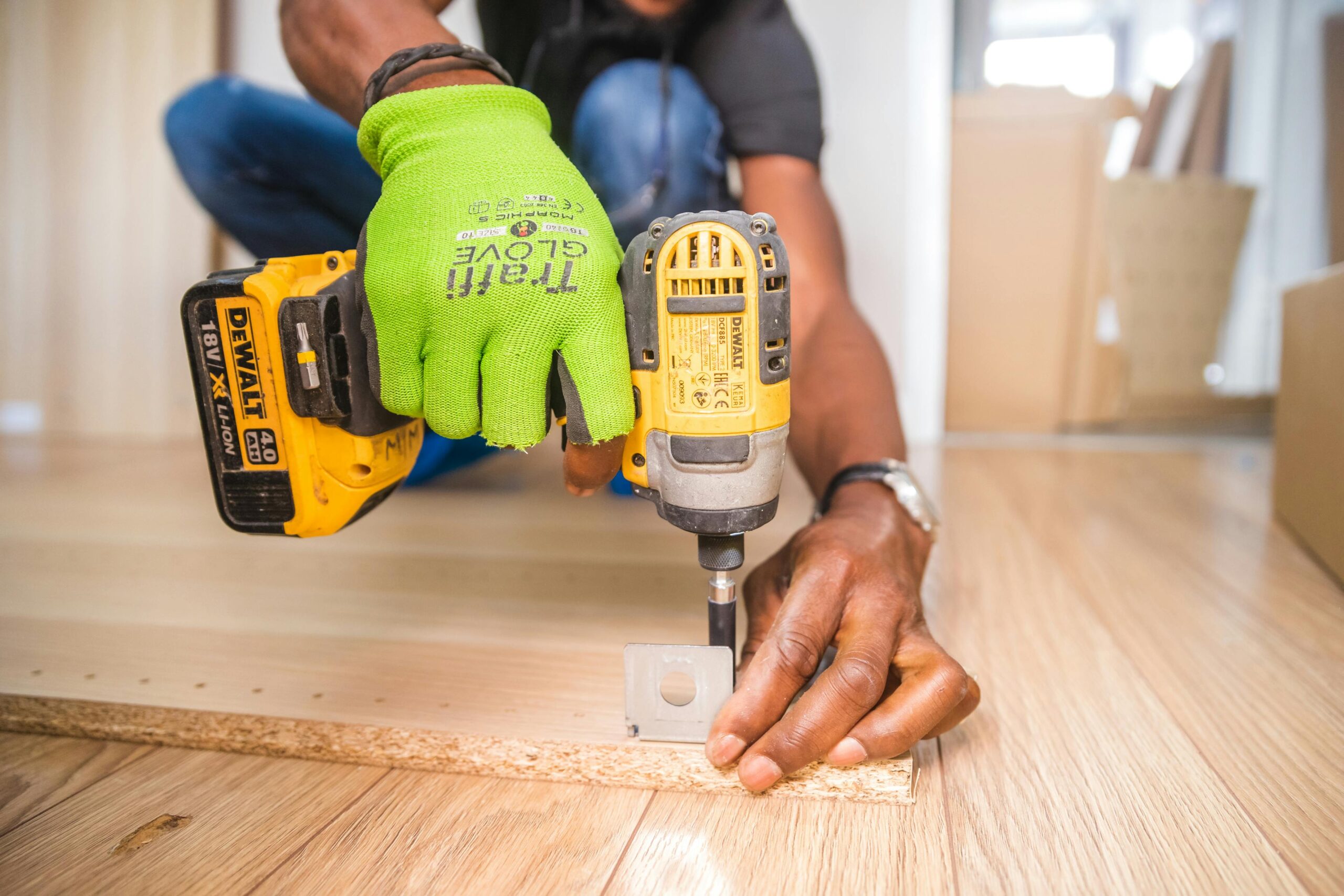

Modular construction is becoming a game-changer in the building industry. This innovative approach to construction is gaining popularity due to its ability to improve efficiency, reduce costs, and minimize environmental impact. Unlike traditional construction methods, where buildings are built entirely on-site, modular construction involves prefabricating components or entire sections of the structure in a controlled factory setting before transporting them to the construction site for assembly. In this article, we’ll explore the benefits of modular construction and how it is reshaping the way buildings are designed and constructed.
Faster Construction Times
One of the primary advantages of modular construction is the significant reduction in construction time. In traditional construction projects, delays due to weather, labor shortages, or material shortages are common. However, because modular components are prefabricated in a factory setting, these delays can be minimized or avoided altogether.
In many cases, modular construction projects can be completed in half the time of conventional construction. Since site preparation and the fabrication of modules can happen simultaneously, the overall construction process is much faster. This can be especially beneficial for projects that need to meet tight deadlines, such as schools, hospitals, or affordable housing developments.
Cost Savings
Modular construction can also result in considerable cost savings. The controlled environment of the factory allows for better quality control, reducing the likelihood of errors and the need for costly rework. Additionally, the speed of construction translates to lower labor costs. Since the modules are built off-site and only require assembly on-site, less labor is needed on the construction site, which can lower overall expenses.
Moreover, modular construction can help reduce material waste. The factory setting allows for more precise cutting and use of materials, which minimizes waste. These savings can be passed on to the client, making modular construction a cost-effective solution, especially for large-scale projects.
Sustainability and Reduced Environmental Impact
Sustainability is a key consideration in modern construction, and modular construction offers several environmental benefits. First and foremost, the precision of off-site fabrication reduces the amount of waste generated during the construction process. Additionally, because modules are prefabricated in a factory, they are built using sustainable materials and energy-efficient practices.
The reduced need for transportation and the ability to reuse materials also contribute to lower carbon emissions. As the construction industry continues to adopt more sustainable practices, modular construction stands out as an environmentally friendly option that can help reduce the industry’s carbon footprint.
Design Flexibility and Customization
Although modular construction involves pre-made components, it still offers plenty of flexibility when it comes to design. Modular units can be customized to meet the specific needs of the project, whether it’s a residential home, a commercial building, or a public facility. The modular units can be stacked, arranged, and configured in various ways, allowing for a wide range of architectural designs.
Furthermore, modular construction allows for easy expansion or reconfiguration in the future. If the building needs to be expanded or altered, additional modules can be added with minimal disruption to the existing structure. This makes modular construction a great option for businesses or communities that may need to scale their buildings over time.
Quality Control and Safety
In a traditional construction setting, the quality of the materials and workmanship can vary depending on the contractor, site conditions, and other factors. With modular construction, the components are produced in a controlled factory environment, where strict quality control measures are in place. This ensures that each module meets high standards before it leaves the factory, reducing the likelihood of defects or issues down the line.
In addition to improved quality, modular construction also offers enhanced safety. Since much of the work is done off-site, the risks associated with working in hazardous weather conditions or on an active construction site are reduced. This leads to fewer accidents and injuries, making modular construction a safer option for workers.
Applications in Various Industries
Modular construction is not limited to residential buildings; it is being used in a wide range of industries and applications. For example, in healthcare, modular construction is being used to create temporary and permanent medical facilities, including hospitals and clinics. The speed of construction makes it ideal for responding to urgent healthcare needs, such as in disaster recovery situations or during public health crises.
The education sector has also embraced modular construction, with schools and universities using modular buildings to expand capacity quickly and affordably. Similarly, the hospitality industry is turning to modular construction for the creation of hotels and motels, where the need for speed and cost-efficiency is crucial.
The Future of Modular Construction
As the construction industry continues to evolve, modular construction is likely to play an even larger role. With growing demand for affordable housing, faster project completion times, and more sustainable building practices, modular construction offers a solution that addresses these challenges. In the future, we can expect to see even more innovative modular designs and technologies that will further streamline the construction process and improve overall efficiency.
As cities and countries look for ways to meet the demands of rapidly growing populations, modular construction provides a versatile and scalable solution that can help create the buildings and infrastructure needed for the future.
Conclusion
Modular construction is revolutionizing the way buildings are designed and constructed. With its numerous benefits, including faster build times, cost savings, sustainability, and design flexibility, it is an innovative alternative to traditional construction methods. As the construction industry continues to embrace modular techniques, we can expect to see more buildings being constructed off-site and assembled on-site, making the future of construction more efficient, eco-friendly, and adaptable to changing needs.